The Important of Adaptable Writing Goals
August 28, 2026
Why Writers Must Keep Reading
September 20, 2026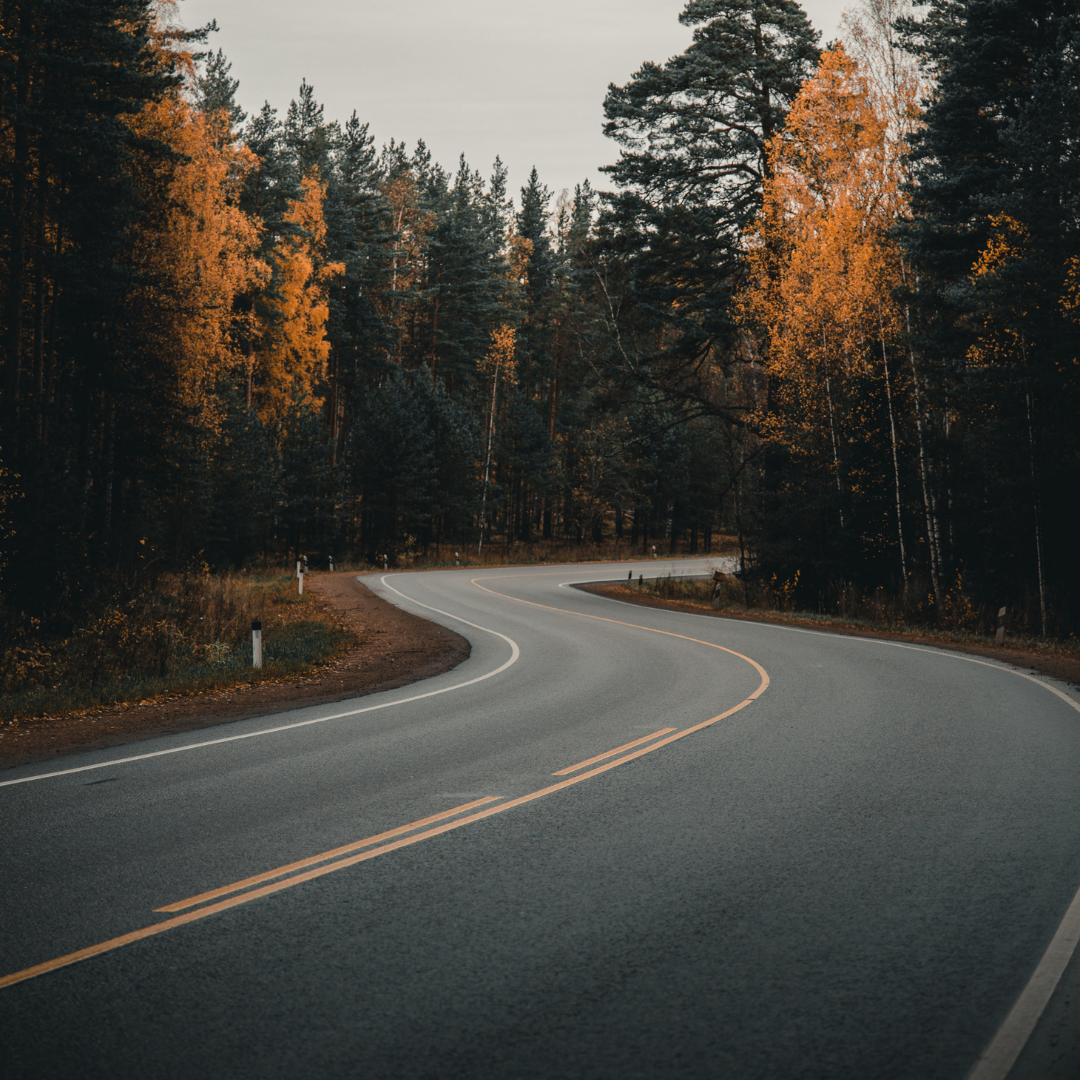
Some writers need a map before they set out on the road. Others grab the keys, turn the ignition, and hope for the best. Neither is wrong, but both still have to drive.
The plotter vs pantser debate never dies, does it? You know what I’m talking about, right? It sometimes feels like writers have placed themselves firmly in one of two camps: ‘pantsers’ or discovery writers who allow the story to develop as they write, and plotters, who tend to know every step of the journey before they even start. It is a fierce battle between camps, a war that has been waged for years.
The Misunderstanding
The writing community often frames this as a ‘right vs wrong’ debate, but I think that kind of misses the point. The truth is, to create a great book, the same work needs to be done. It just depends on how you like to do it.
For plotters, much of the heavy lifting is done before writing.
For pantsers, much of it is done after the writing, once they’re into revision territory.
There is no objective right or wrong in that. One is not easier than the other. There is only right or wrong for you. It’s about when you want to pay the cost.
Turning on the Sat Nav
I always think of writing a book a bit like driving a car, and how the ride to the destination looks different for everyone.
-
Pantsers hop into the car without knowing where they’re going. They just want to see where the road takes them. They might stumble upon something amazing, but they risk running out of fuel before they find it or getting lost entirely. And then once they determine their destination, they need to revise the route for the next person (aka the reader) so that they can get there directly.
-
Plotters know the whole route before they set off. They know where they’re going, and they’ve mapped out every stop, turn, and rest break. They still might face road closures or the odd scenic stop, but chances are they’ll get there faster, and they know the perfect route to direct their readers, too. They’ve only got to hope that they don’t get bored travelling down the same old roads again.
-
And then there are the inbetweeners, the on-the-fencers, the plantsers. These drivers have a destination in mind and maybe even a few landmarks they want to see along the way, but they might not know how to get there. They leave room to explore on the journey. They might take some detours and get lost along the way, but they’ll probably make it and maybe discover a few unexpected gems along the way.
All three are driving. They’re all likely to get to the end of their journey, one way or another. But which ride you choose depends on how much trial and error you want to endure along the way. It depends on whether you want to do the heavy lifting before or after.
Getting in the Car
Personally, I like to see the map before I get on the road. I didn’t always. I started my writing career as a pantser, but I realised that the novels I ‘pantsed’ all lacked certain things. Since then, I’ve discovered that once I’ve plotted, I can write the novel incredibly quickly, and the revision process is a lot easier.
But I totally get how, for some people, that level of control is stifling. Discovery writers often find an immense amount of joy and freedom in all those random detours, even if they end up getting cut from the final book, and that’s admirable.
We’re all different, and that’s an amazing thing to be.
So, whether you’re staring at a meticulously drawn map or a blank road ahead, keep driving. The only way to move forward is to keep moving. Stop worrying about how other people are doing it, and focus on what works for you. It’s all about getting into the car. After all, if you’re not even on the road, you’re not going anywhere.